The unicellular ancestry of animals
Before
animals
Life was unicellular.
Live microscopy · Multicellgenome Lab
01 / THE QUESTION
Then something
extraordinary happened.
A new way of living became possible.
Capsaspora
Cells started
to cooperate.
Capsaspora owczarzaki
And they coordinated
in time.
Ichthyosporea
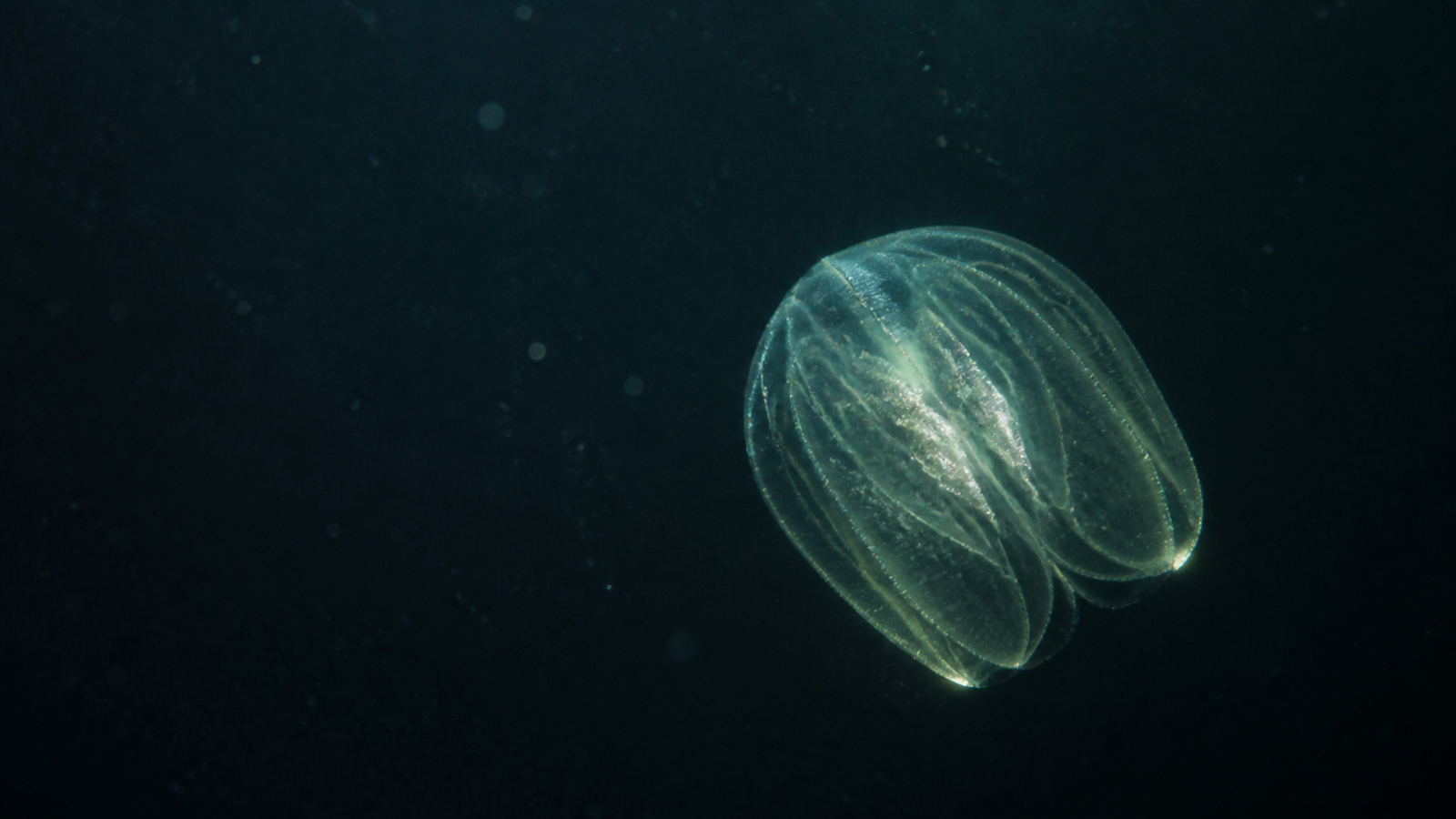
From this unicellular world,
animals emerged.
OUR MISSION
Decoding the animal
operating system.
We study the closest unicellular relatives of animals — discovering and cultivating new species, analyzing their genomes and comparing them experimentally — to decode how the first animals evolved.
Explore the origins of the animal toolkit ↗02 / THE ORGANISMS
Several organisms.
One evolutionary question.
Five main experimental systems sit at the centre of our current research. Beyond them, organisms we helped isolate, describe, culture or sequence extend a platform now being developed across an international community.
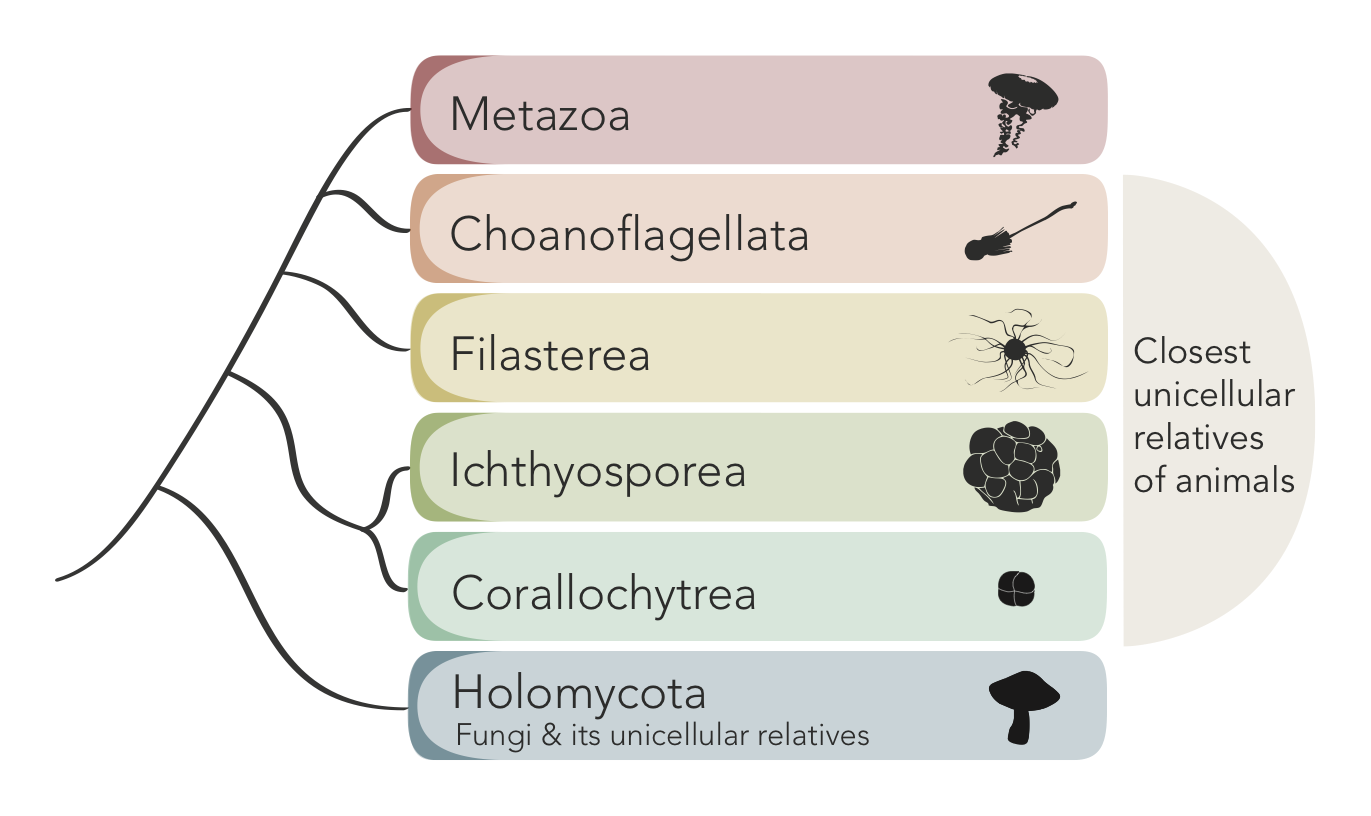 Evolutionary framework
Main experimental systems
At the centre of our current experimental programmeCapsaspora owczarzaki
Cooperation
Filasterea ↗Sphaeroforma arctica
Multicellular development
Ichthyosporea ↗Corallochytrium limacisporum
Cell division
Corallochytrea ↗Abeoforma whisleri
Cell types
Ichthyosporea ↗Creolimax fragrantissima
Cellularisation
Ichthyosporea ↗Beyond the main systems
Organisms we helped establish, now being extended across the fieldChromosphaera perkinsii
Isolated, described & first sequenced with collaborators
Ichthyosporea ↗Ministeria vibrans
Cultured and genome-enabled; developed experimentally through collaboration
Filasterea ↗Pigoraptor chileana
Filasterean genome resource
Filasterea ↗Pigoraptor vietnamica
Filasterean genome resource
Filasterea ↗Parvularia atlantis
Transcriptome resource · formerly Nuclearia
Holomycota ↗Nutomonas longa
Transcriptome resource
Ancyromonadida ↗Sphaerothecum destruens
Transcriptome resource
Ichthyosporea ↗Pirum gemmata
Genome and transcriptome resource
Ichthyosporea ↗Ichthyophonus hoferi
Genome resource
Ichthyosporea ↗03 / MISSING RELATIVES
The tree
is incomplete.
Recent discoveries reveal how much of the unicellular tree surrounding animals remains unseen. Entire branches are known only from environmental DNA. Now we are looking for the organisms.
Explore the missing lineages ↗KNOWN UNKNOWNS / UNKNOWN UNKNOWNS
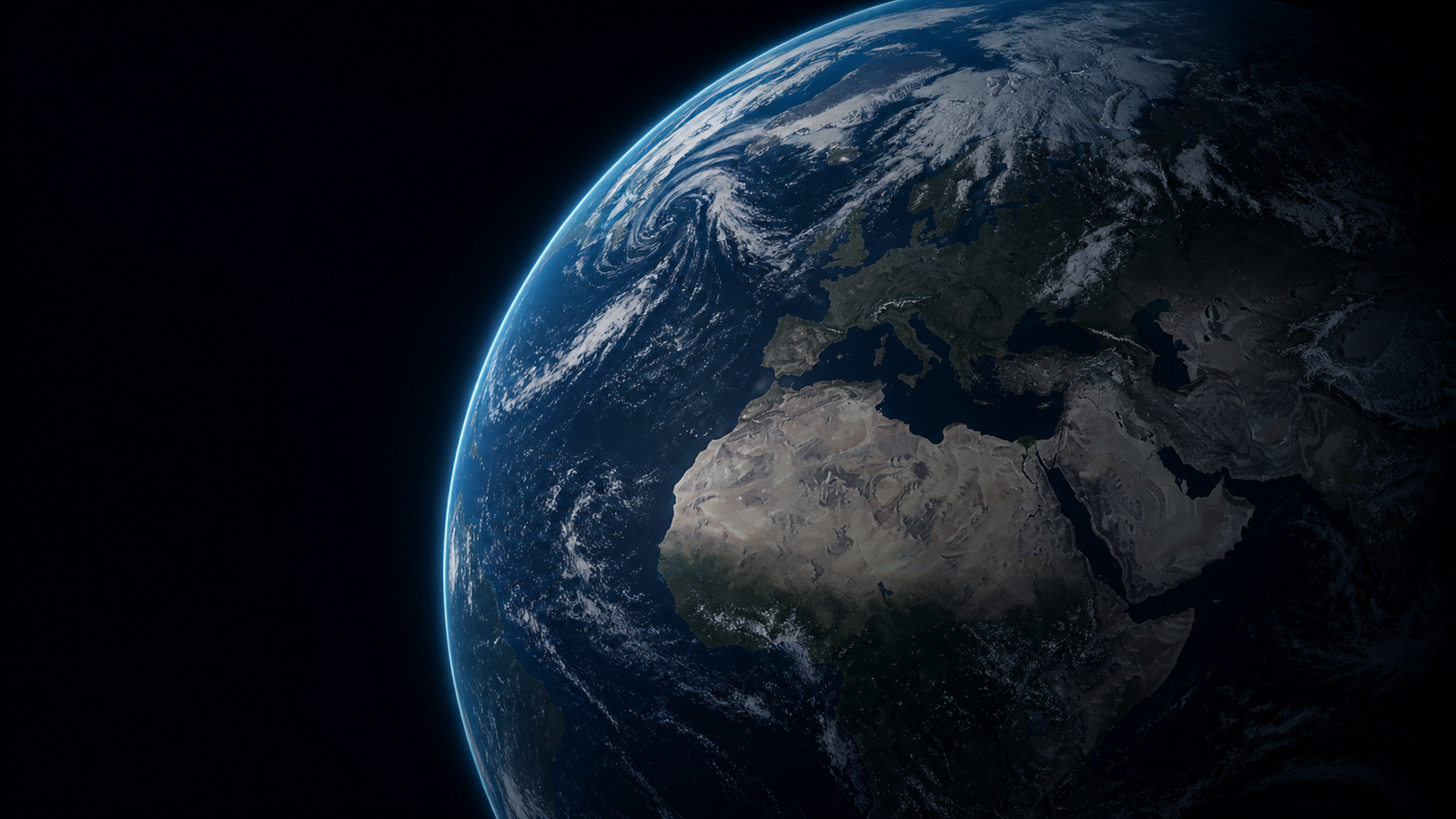
Searching across
the living planet.
Marine waters, freshwater ecosystems, soils and animal-associated habitats may contain lineages capable of changing how we understand animal origins.
to culture.Explore the lineages now. Published detections will be connected to their places and environments as the atlas develops.Open the lineage explorer ↗
04 / DISCOVERIES
We built the toolkit
to ask the question.
20+years reconstructing animal origins
5main experimental systems
3new species described
1comparative platform for animal origins
05 / FIELD-BUILDING
We didn’t just build
model systems.
We helped build a field.
Former members now lead laboratories, hold faculty and research positions, develop new methods and open new directions across animal origins and eukaryotic diversity.
13Independent labs — and counting
+New questions
+An expanding network
ANIMAL ORIGINS PORTAL
Explore the living
archive before animals.
Organisms, movies, life cycles, experimental tools, genomes, discoveries and resources — connected through the tree.